
Latest News
Etsy Bans Adult Toys and Accessories

Finance & Business
Tired of bots in your cam room?
Fake traffic may look good for a moment, but it does not build real visibility, real trust, or real results. Cam sites can easily distinguish between low-quality traffic, bots, fake clicks, and real web traffic from legitimate sources.

If your room gets suspicious traffic, it can hurt your credibility instead of helping you grow.
That is why StreamCenter.ro focuses on delivering real web traffic from real sources — traffic created to boost your visibility, increase exposure, and help your cam room get noticed in a safer, more natural way.
No fake numbers.
No useless bot traffic.
No shortcuts that can damage your image.
Just real web traffic, from real sources, for models and studios that want better exposure and long-term growth.
Use Real Web Traffic. Real Sources. Real Results.
StreamCenter.ro
Events
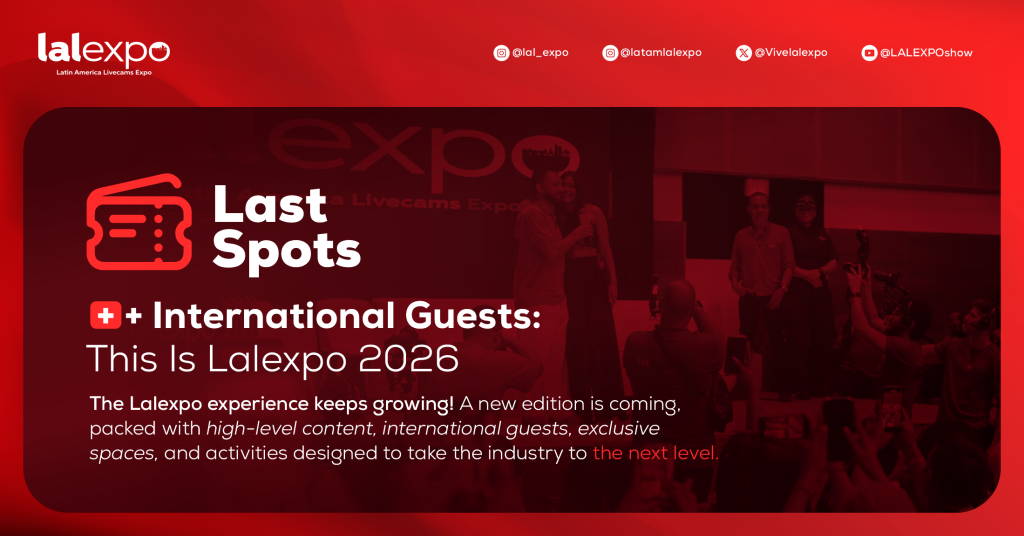
Last Spots + International Guests: This Is Lalexpo 2026
The Lalexpo experience keeps growing! A new edition is coming, packed with high-level content, international guests, exclusive spaces, and activities designed to take the industry to the next level.
Ideas Without a Script: Conversations That Make an Impact
Ideas Without a Script is a space designed for real, unfiltered conversations with the people who are transforming the industry. A place where experiences, insights, and stories become inspiration.
In this first edition, the special guest will be Yeferson Cossio, one of the most influential content creators in Latin America, with millions of followers and a massive digital reach. Beyond his success on social media, he has established himself as an entrepreneur, developing high-level projects and collaborations.
A close and relaxed space to hear his stories, insights, and perspectives.
Limited spots available
Price: $84 USD

If you already have your Lalexpo ticket, you get 50% OFF
Get your access and learn more here: https://ideassinlibreto.com/es
Or request more information through Lalexpo’s WhatsApp lines.
Special Guests: Global Talent at Lalexpo
This year, we will host some of the most influential names in the adult entertainment industry worldwide:
Johnny Sins – American actor, director, and content creator, recognized as one of the most popular male talents in the industry. With nearly two decades of experience and over 3,000 productions, he has been inducted into the AVN Hall of Fame and has become a global icon.
Lily Phillips – British actress and content creator who has gained notoriety through her presence on digital platforms and viral projects that have sparked global conversation.
Jason Luv – Actor, director, and producer from Houston, known for his versatility and strong global positioning. In 2026, he surpassed one billion views, reinforcing his impact on the industry.
Yusuf Gattouz – Algerian model known as Gattouz, who has quickly positioned himself among the most viewed male talents worldwide, with hundreds of millions of views.
Lalexpo Awards: Voting Is Now Open
The official Lalexpo Awards voting is now live.

You can now support your favorites by logging into your profile and participating in the selection of the winners.
Vote here: https://lalexpo.com/awards/vote
Additionally, tables for the awards ceremony are now available:
Table for 8 people: $530 USD
Includes dinner and an exclusive gala experience.
Official Dress Code: Get Ready for the Parties
Lalexpo nights are a key part of the experience. Here’s the dress code for each event:
Chaturbate Neon Pool Party – Neon / Glow
Jasmin Colombian Carnival Party – Red
Bongacams Pink Paradise Party – Beach Pink
Get ready for three unforgettable nights of celebration and unique experiences.
Download the Official Lalexpo App
To attend Lalexpo, you must download the official app, as it is where you will present your event ticket.

Download it here:
Play Store: https://play.google.com/store/apps/details?id=com.latamoutsourcing.events
App Store: https://apps.apple.com/co/app/latam-events/id6740163419
Through the app, you will also be able to:
- Check the full schedule in real time
- Explore sponsors and connect with them
- Manage spots for activities such as BBQ and chivas
- Participate in dynamics like “Win with Lalexpo”
- Receive all event updates
All in one place, right in the palm of your hand.
Lalexpo is not just an event, it is the meeting point where the industry connects, evolves, and creates new opportunities.
Get ready for an edition that will bring together global talent, unique experiences, and moments that will make a difference.
See you at Lalexpo 2026
Latest News
Diva Traffic: Traffic Services Shut Down on February 20, 2026
Everything is changing in the camming industry. As a clear example, after years of being known as a traffic company—especially for promotion within the adult cams space—2026 is the year the industry says goodbye to Diva Traffic!
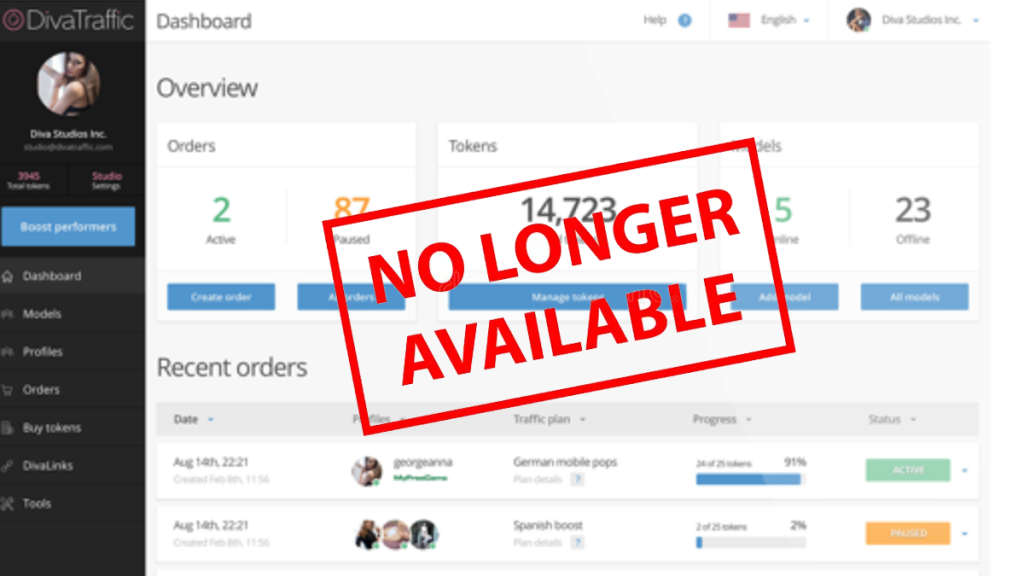
Behind this exit is an announcement posted by the company under the headline “Important Service Update.” Diva Traffic stated that effective February 20, 2026, it will discontinue its operations, including all traffic purchase services. The platform also noted that all previously purchased tokens must be used to activate traffic boost campaigns by that date, and that as of today, token purchases and subscriptions are no longer available.
The shutdown closes the chapter on a brand that, for some, was a useful promotional tool—and for others, a recurring source of controversy. Over time, countless rumors circulated across studios and among models, with many in the community alleging the service relied heavily on bots, fake clicks, and non-human traffic rather than real users.
Whatever side of the debate people were on, the outcome is now the same: a familiar name in cam-focused traffic services is exiting the scene, and studios and creators will need to rethink and adjust their promotion strategies moving forward.
-

 Finance & Business8 months ago
BCAMS Magazine, the 34th issue
-

 Cam Models5 years ago
EmilyJonesChat
-

 Finance & Business9 months ago
BCAMS Magazine, the 33nd issue
-

 Finance & Business10 months ago
BCAMS Magazine, the 32nd issue
-

 Finance & Business11 months ago
BCAMS Magazine, the 31st issue
-

 Finance & Business1 year ago
BCAMS Magazine, the 30th issue
You must be logged in to post a comment Login